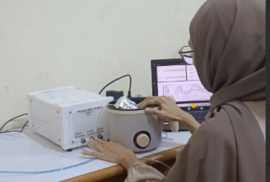
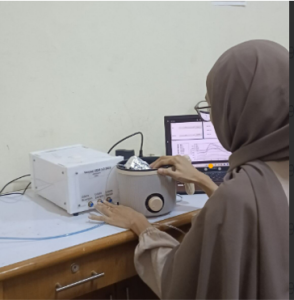
 According to Budi, “The main objective of this research is to develop an accurate and efficient method for classifying various types of aromatic rice using gas sensor technology and artificial intelligence.”
Salima also explained, “By utilizing gas sensor arrays and machine learning algorithms, we can identify the unique characteristics of each type of aromatic rice with a high degree of accuracy.”
This innovation has important implications for SDG 3, particularly in the areas of food safety and nutritional quality. The potential benefits of this research include:
- Enhancing food safety by verifying the authenticity of aromatic rice and preventing counterfeits.
- Helping consumers make healthier and more nutritious food choices.
- Supporting stricter regulations in the food industry, specifically in the rice sector.
Budi concluded, “We hope that this technology can be widely adopted by the rice processing industry and food regulatory institutions to enhance food safety and improve public health.”
This research serves as a concrete example of how technological advancements can play an essential role in supporting the achievement of SDGs, particularly in promoting a healthy life and improving societal well-being.
Contribution to Sustainable Development Goals (SDGs)

Good Health & Well-Being
Program Studi Teknologi Rekayasa Instrumentasi dan Kontrol (TRIK)
Sekolah Vokasi, Universitas Gadjah Mada
Email: trik.sv@ugm.ac.id
Website: trik.sv.ugm.ac.id